
October 31st: A Catalytic day for Reformation and Revival
Did you know that October 31 is a day of Reformation, Revival, and Destiny? Contrary to popular views, October 31st is not the “day of the devil.” It is God’s day full of inheritance where He birthed two major Reformation and Revival movements that are still impacting us today, hundreds of years later.
by Jennifer A. Miskov, Ph.D.
The Shift is now
Did you know that October 31 is a day of Reformation, Revival, and Destiny? Contrary to popular views, October 31st is not the “day of the devil.” It is God’s day full of inheritance where He birthed two major Reformation and Revival movements that are still impacting us today, hundreds of years later. There is great momentum for us to step into on this significant day in revival history. October 31st is a time for revolutionary shifts to happen. It is a day pregnant with world-changing movements waiting to be catalyzed as we fiercely follow the leading of the Holy Spirit, even in unusual ways. It is a day of religious freedom and of freedom from the religious spirit. It is a day when God is waiting for His yielded lovers to pursue His heart with reckless abandonment.
Halloween Roots
It is interesting that even in secular tradition, many believe that October 31st is the time when the physical and spiritual worlds are the closest, when heaven invades earth in a greater measure than on other days. This was also a time of celebrating the end of harvest and the beginning of winter. In the year 609, Pope Gregory III introduced May 13 as a Catholic holiday to honor saints and martyrs who came before. This was called All Saints' or All Hallows Day. In 835, the date was changed to Nov. 1, the same day as the Samhain, which was an Ancient Celtic pagan festival initiating summer's end. The evening before “All Hallows Day” became known as All Hallows' Eve, which was later changed to Halloween. Even more importantly, this day was set apart from Heaven as the day God wanted to catalyze significant Reformation and Revival movements.
Reformation
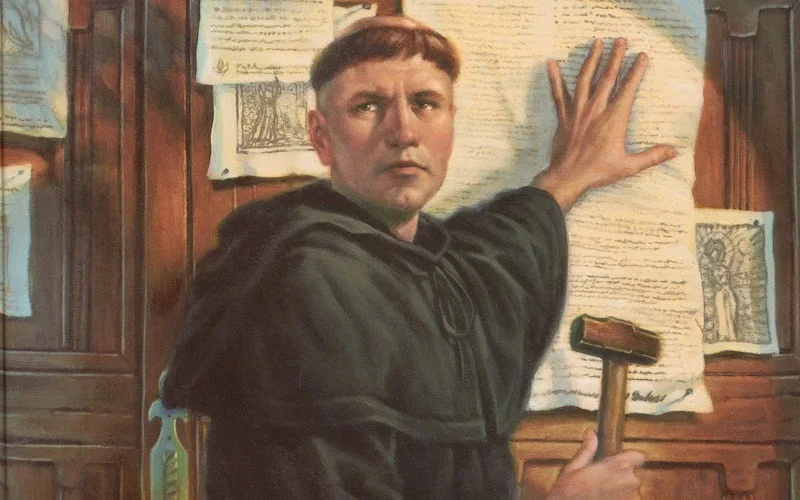
On October 31, 1517, Martin Luther (1483-1546) posted his 95 Theses on Wittenberg Church door which lit a flame that reformed the Christianity of his day, breaking people out of religious cycles that had entrapped them for hundreds of years.
His 95 Theses were then translated into German, printed on the newly invented Gutenberg printing press, and then quickly began to spread. Originally, this was simply an act of inviting people to debate over these issues within the Catholic Church, rather than a rebuke against the pope. However, God breathed on his declaration for justice and it served to be the catalyst to set things in motion for the Protestant Reformation.
Welsh Revival
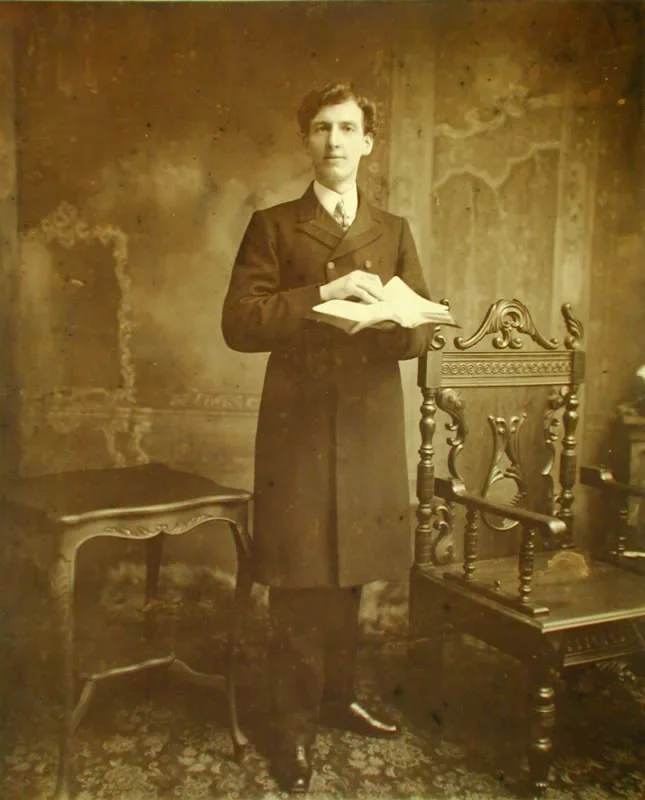
Nearly 400 years later on this same date in history, a spark for the Welsh Revival was ignited. On October 31, 1904, Evan Roberts (1878-1951) followed the leading of the Holy Spirit back to his hometown to conduct a catalytic meeting where 17 confessed Christ. He realized at that time that the revival he had been praying his whole life for had arrived. Less than four months later, over 80,000 people were saved and the nation of Wales experienced a powerful revival. From Wales, the revival began to spread to cities in England, Scotland, and Ireland and then around the world.
The revival was also a precursor and believed to be a catalyst for future Holy Spirit movements like the Azusa Street Revival. Frank Bartleman, who participated in and scribed the happenings of the Azusa Street Revival, asked Roberts to pray that a revival fire similar to the Welsh Revival would break out in Los Angeles. The Azusa Street Revival exploded to the scene not long after this in 1906 contributing to the influence of Pentecostalism around the globe.
Momentum of the Ages
The Protestant Reformation transformed a religious system and freed people to worship God in spirit and in truth. The Welsh Revival ignited a flame that inspired and gave birth to future Holy Spirit movements. October 31 is pregnant with potential to once again be a powerful day of ignition for reformation and revival. There is an inheritance waiting to be tapped into for those who are brave enough to step out in faith to follow the leading of the Holy Spirit on this special date in history. There is a deep well of revival to be accessed on October 31st, filled with fresh flames waiting to be ignited and spread around the world.
The momentum has already begun. Martin Luther, the Moravians, John Wesley, Evan Roberts and many others have already paved the way for us to walk in great freedom today. This is not a new wave of revival but one that has been building for generations. There is great momentum toward a new billion-soul harvest, another great awakening, and new wave of revival on the horizon. And in fact, I believe it has already begun and is all around us for those who have eyes to see.
What are we going to do today with the ground already gained on our behalf? How will we position ourselves to build upon the momentum that has gone before us? What further ground needs to be taken to advance God’s Kingdom in our generation today so that it will set things in motion for the next 500 years ahead? We are in a historic shift. God is calling us to a new level of holiness, consecration, connection, surrender, and possession of the Holy Spirit. This is necessary so that this upcoming wave of revival will not crush us. It’s time to walk in purity, passion, and total obedience so that when the swell comes, we are positioned to ride the biggest wave of revival this world has ever seen!

Activating the Anointing in October 31st through Worship
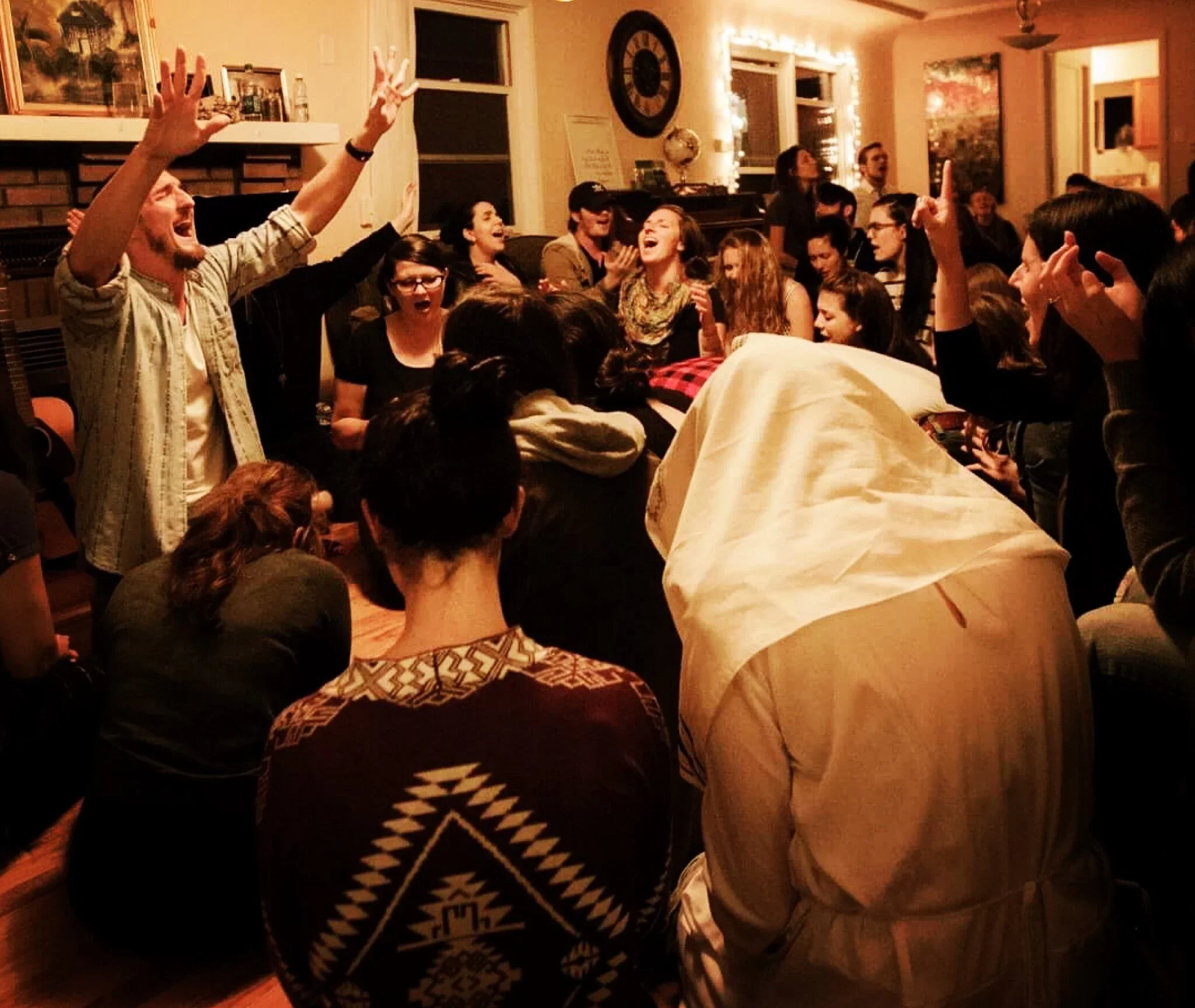
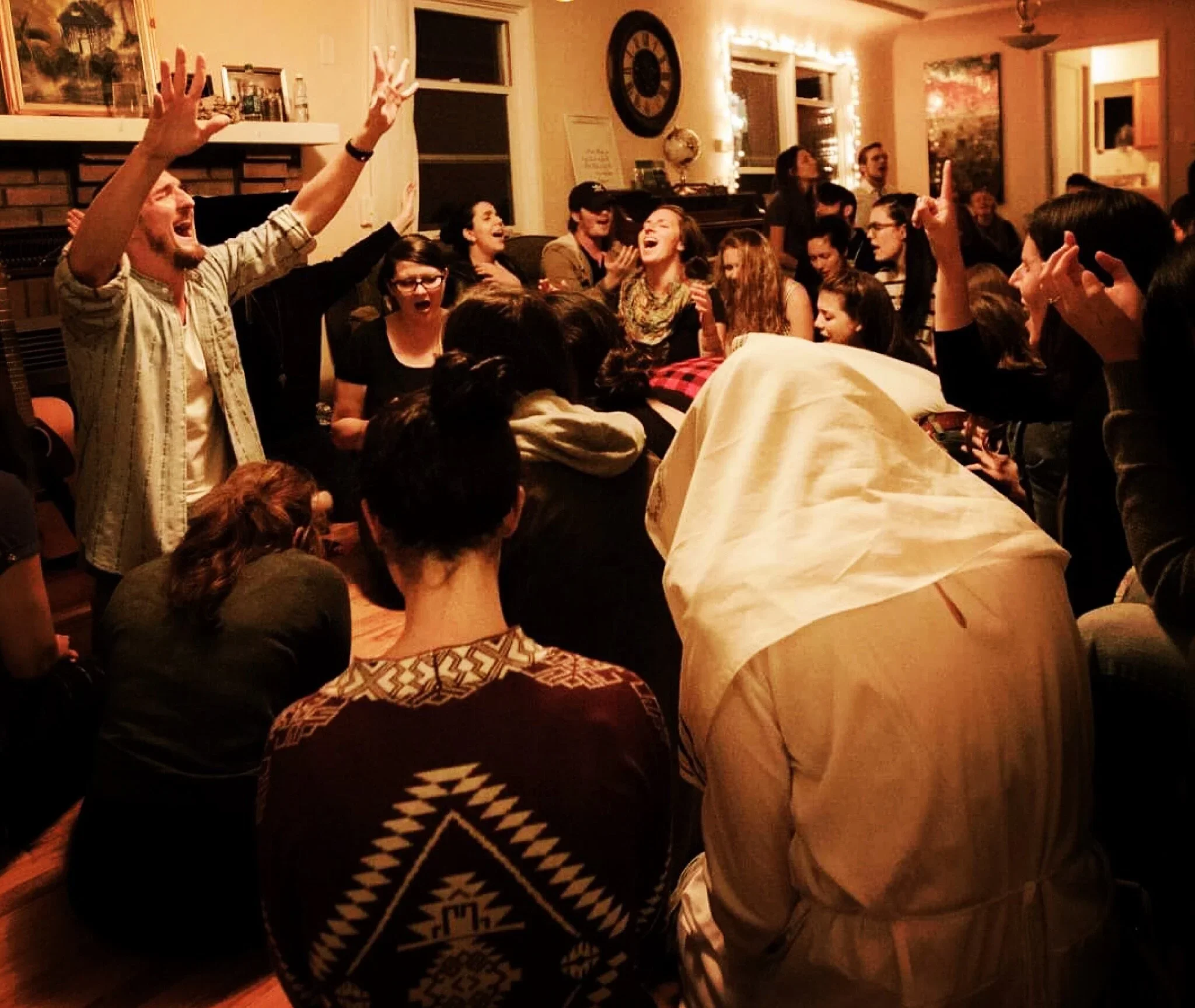
Since 2012, the Destiny House tribe of worshippers has hosted an encounter night each year on Halloween to tap into the deep wells of revival, seek God for an even greater Reformation in our day, and worship Him with all of our strength. Last year there were celebrations in Redding, CA, in Australia, and in Maui, Hawaii where we gathered together to worship and proclaim the name of Jesus. We have seen people radically encountered by the presence and power of God in these meetings where they were marked for life in His presence. We will also be doing this together this year in 2020 around the world with the School of Revival family. Learn more on how to join us here.
Wherever you are in the world, I encourage you too, to gather with friends this October 31st to share Holy Ghost stories, pray and worship together on this significant day in revival history. Let’s gather together with one agenda, simply to worship Jesus and lift up His name on high. Together, we can tap into what God wants to do in our day by giving Him higher praise. Let's take back this significant day in history by releasing the fragrance of worship that pleases the heart of God, causing the darkness to tremble.
Send the Spirit Now
Evan Roberts sent on a prayer ahead of him to the children in the towns he was going to visit. When the children prayed this prayer, revival broke out before he even arrived to the scene. As you pray this catalytic prayer and take risks to follow the leading of the Holy Spirit into new territories, may you see the Holy Spirit move in greater ways than ever before.
Send the Spirit now, for Jesus Christ's sake.
Send the Spirit now powerfully, for Jesus Christ's sake.
Send the Spirit now more powerfully, for Jesus Christ's sake.
Send the Spirit now still more powerfully, for Jesus Christ's sake.
To go more in depth on significance of what happened on this day in history, see
Tapping into the Power of the Testimony: Launching into Greater Destiny
Defining Moments by Bill Johnson and Jennifer A. Miskov (New Kensington, PA: Whitaker House, 2016).
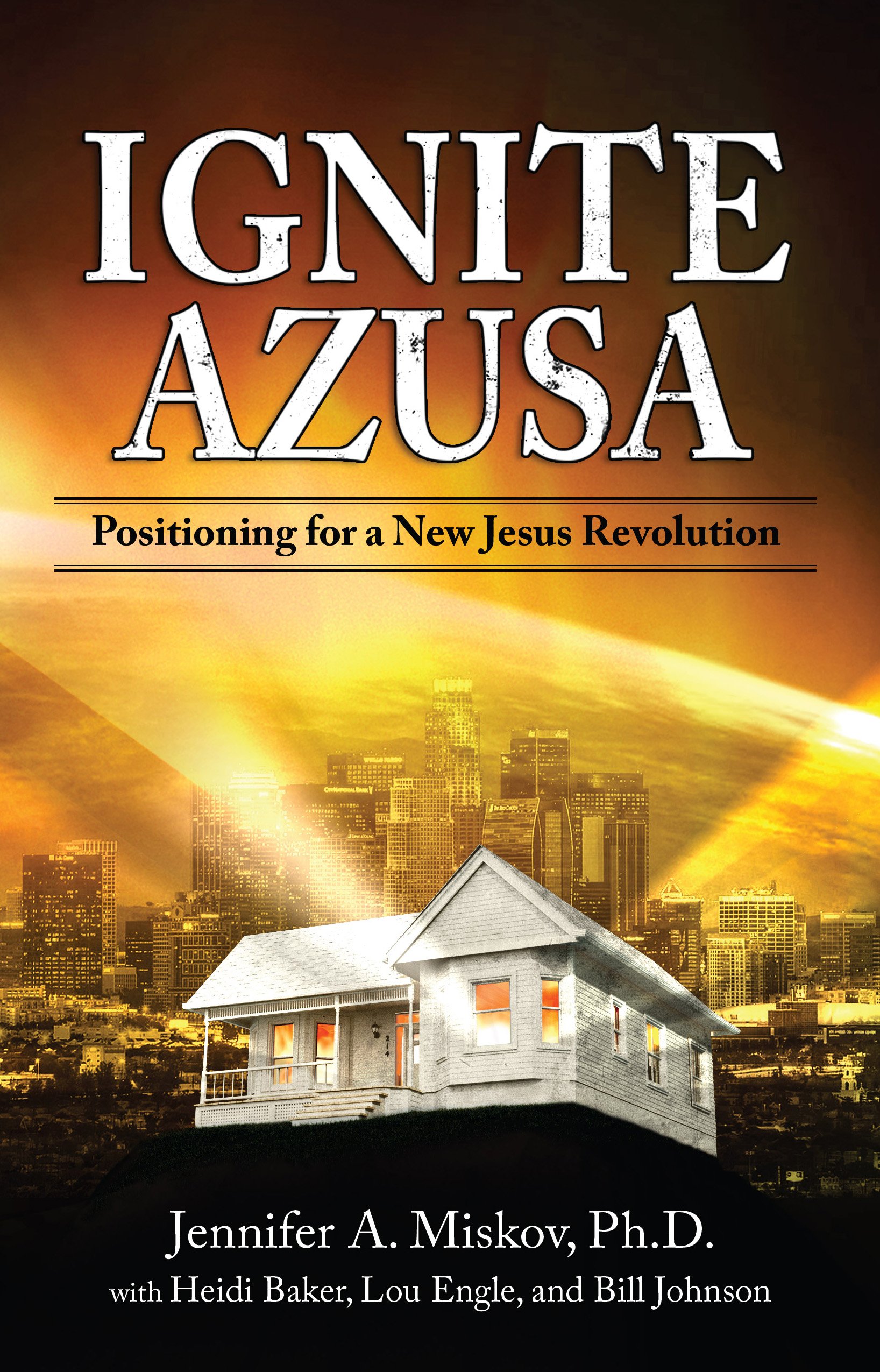
Ignite Azusa: Positioning for a New Jesus Revolution by Jennifer A. Miskov with Heidi Baker, Bill Johnson, and Lou Engle (Redding, CA: Silver to Gold, 2016).
*As a disclaimer, we also want to recognize and honor our Catholic brothers and sisters today and celebrate the whole Body of Christ as we move forward together, hand in hand to see God’s Kingdom come here on earth in our day.

Revival is just the Beginning

by Jennifer A. Miskov, Ph.D., Revival Historian
Now that we have explored semantics and some development around the term revival and exploring its meaning, let’s go even deeper to the impact it should have on one’s life and what comes afterwards.
In the natural, if someone is sleeping, barely alive, or has suddenly died, they need to be awakened or revived. Many times, someone will use smelling salts (ammonia inhalants) to awaken a person who has passed out or become unconscious. They put this aroma under the person’s nose to breathe it in. Suddenly, when this happens, the person is revived from their previous unconscious state. Once this person has become revived from their formal sleeping state, they do not need to remain in a state of trying to be revived because they have already come back to life. There is no more need for them to inhale the smelling salts. This person must now begin to live more empowered since their awakening.
This can be a metaphor for revival. Some people have become spiritually unconscious or fallen asleep and they need to be re-awakened. Others have become dead inside and need to be resurrected back to life. Once they have been awakened and brought back to life though, now it’s time to move from the resurrected state to the empowered state of living, being transformed, and stepping into their destiny.
Revival is only just the beginning. Once a person is awakened, then it’s time to fully live.
In Hosea 6:2, it says, “After two days He will revive us; On the third day He will raise us up, That we may live in His sight.” Here we see that revival is not meant to be a continual state as much as what needs to happen whenever our spirits begin to wither away or die on the inside. Once people are revived, they then need to live the abundant life Jesus died for them to have (John 10:10). Transformation, reformation, revolution, and destiny must follow. Once revived, we must learn to live as burning ones on fire for Jesus constantly remaining full of the oil of His presence.
The Reviver by Rolland Baker
Rolland Baker, co-founder with Heidi Baker of Iris Global is a missionary in Mozambique, has experienced revival firsthand. His insights in the epilogue of his book, Keeping the Fire, are worth noting.
“I return at the end to where I began: with the Person of Jesus. Iris is not about us. It is about Jesus. Revival is not about manifestations or miracles; it is about the Reviver, Jesus our Savior.
We have only one destination, one home, one reality, one resting place, one source, one motivation, one reward, one possession, one point of contact with God, one source of real satisfaction – and that is Jesus…
Everything we value has been found in Jesus. The key to our core values is therefore falling in love with Him.
Love is a gift of relationship, not just self-sacrifice. The secret place is not necessarily found in a prayer closet or a posture of soaking, or in battling for a just cause, or in a massive prayer and fasting effort. Even the most amazing miracles can leave us lonely and without relationship. We can run out of motivation advancing the noblest ideals and working at all levels to transform society. We can minister until we have no more strength, and still go home and lie in bed without the relationship for which our hearts are made.
Everything is okay with relationship. It is all that Jesus cares about, all that motivates Him. He could do many more amazing miracles to dazzle the world with His powers, but He is interested only in relationship. The entire creation, all the grandeur of the physical world, and all His works are designed to serve one thing: relationship. Revival has no content without it. Renewal and manifestations are pointless apart from it. Miracles only find their meaning it. Joy is shallow and groundless unless rooted in it. Without relationship we are the living dead…
Revival is all about Jesus.
Revival Without God: A Warning
Revival can easily become an idol in our lives and take the place of Jesus. It can possess us and become an obsession. Not that there is anything wrong with desiring revival, but anything that comes before our passionate pursuit of Jesus becomes idolatry. We must always seek Jesus first, yield to the Holy Spirit, and pursue the God of revival. Revival never should become an idol in our lives. Our obsession above all else, including revival, must remain loving Jesus wholeheartedly. As we love God with all our minds, hearts, bodies, and spirits, revival is a natural overflow.
We don’t want to end up one day in front of God sharing how we released “revival” in the world but did it apart from personal and intimate relationship with Him. What would be the point of doing signs and wonders without Him and His presence or without love (1 Corinthians 13)? Moses could have easily had revival, stepped into his destiny, and saw his dreams come true. But without God’s presence, he wasn’t going to move (Exodus 33).
Revival without Jesus is not only empty, it is dangerous. Jesus says in Matthew 7:21-23,
“Not everyone who says to me, ‘Lord, Lord,’ will enter the kingdom of heaven, but only the one who does the will of my Father who is in heaven. Many will say to me on that day, ‘Lord, Lord, did we not prophesy in your name and in your name drive out demons and in your name perform many miracles?’ Then I will tell them plainly, ‘I never knew you. Away from me, you evildoers!’
Casting out demons, setting the oppressed free, and performing miracles definitely feels like revival and that the kingdom of God has come in people’s lives. The only problem is that doing any of these works of revival is dangerous when not deeply connected to the Source of revival which is Jesus Himself. It appears from this passage that it is quite possible to do the works of revival without being known by God. This is unsafe ground to walk on. We must do the will of the Father and remain connected in relationship with Jesus as we do these works of revival. In their book about revival, Hansen and Woodbridge say, “You can have signs and wonders, but if you don’t have God, you don’t have revival. God-centered revivals withstand the temptation to treasure the blessings of revival over the one who blesses.”
More than anything, revival needs to be birthed from a place of a deep burning passion for more of God and from an overflowing relationship with Him. As we stay connected to the Source, His steadily burning and increasing flame within us will ignite and awaken many around us, releasing revival wherever we go. As we knit ourselves to other burning ones and learn how to live in the fire of His presence together, we encounter His love and power in a way that radically impacts our world. Let us be a people who burn for revival fire to be ignited in our own hearts and for that to spread to a lost and dying world.
*This excerpt is taken from a chapter in my book Sustain the Flame: Secrets to Living Saturated in God’s Presence and Holy Fire.

What is Revival?
We hear the word “Revival” thrown around a lot these days, but what really is revival?
Exploring Paradigms for Religious Revival
Looking into the study of revival history, there are various perspectives on religious revivals by both practioners and revival historians. For some, revival only happens within the church, and for others, it’s when the world is awakened to Christ as well. Some see revival as something that we should be living in every second of the day while others see it as episodic moves of God. Some see it coming as a result of prayer while others see it only as a sovereign act of God. While there could be a whole separate book on this subject alone, I present a small snapshot of a few of the varying perspectives below.
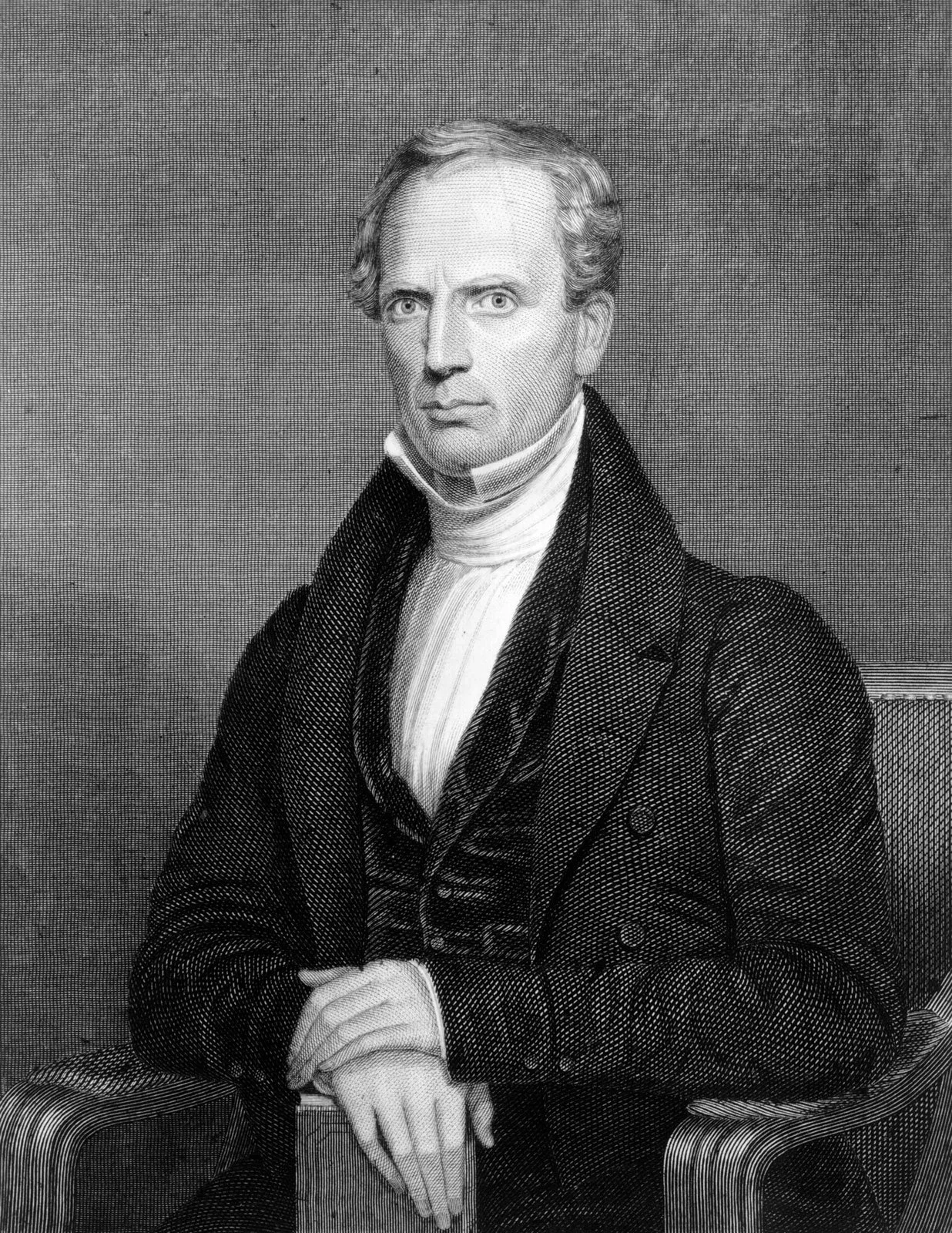
Charles G. Finney (1792-1875), known as the father of modern revivalism, believed that we very much play a role in awakening the church and bringing sinners to repentance as led by God. He saw a need for revival to happen periodically to wake up the church because it so regularly became stagnant. He saw revival as “nothing else than a new beginning of obedience to God.” He compared revival to a crop of wheat and emphasized that God uses means to cultivate both. Finney believed that if the fire was kept burning in the church, there would have been no need for revival, but unfortunately, he saw that was rarely the case. About revival, he wrote:
I AM TO SHOW WHAT A REVIVAL IS. It is the renewal of the first love of Christians, resulting in the awakening and conversion of sinners to God. In the popular sense, a revival of religion in a community is the arousing, quickening, and reclaiming of the more or less backslidden church and the more or less general awakening of all classes, and insuring attention to the claims of God.
It presupposes that the church is sunk down in a backslidden state, and a revival consists in the return of a church from her backslidings, and in the conversion of sinners.
Martin Lloyd-Jones described revival as “the outpouring of the Spirit over and above his usual, ordinary work; this amazing, unusual, extraordinary thing, which God in his sovereignty and infinite grace has done to the Church from time to time during the long centuries of her history.”
Christmas Evans (1766-1838), an influential one-eyed Welsh Baptist preacher said that “Revival is God bending down to the dying embers of a fire that is just about to go out, and breathing into it, until it bursts again into flame.”
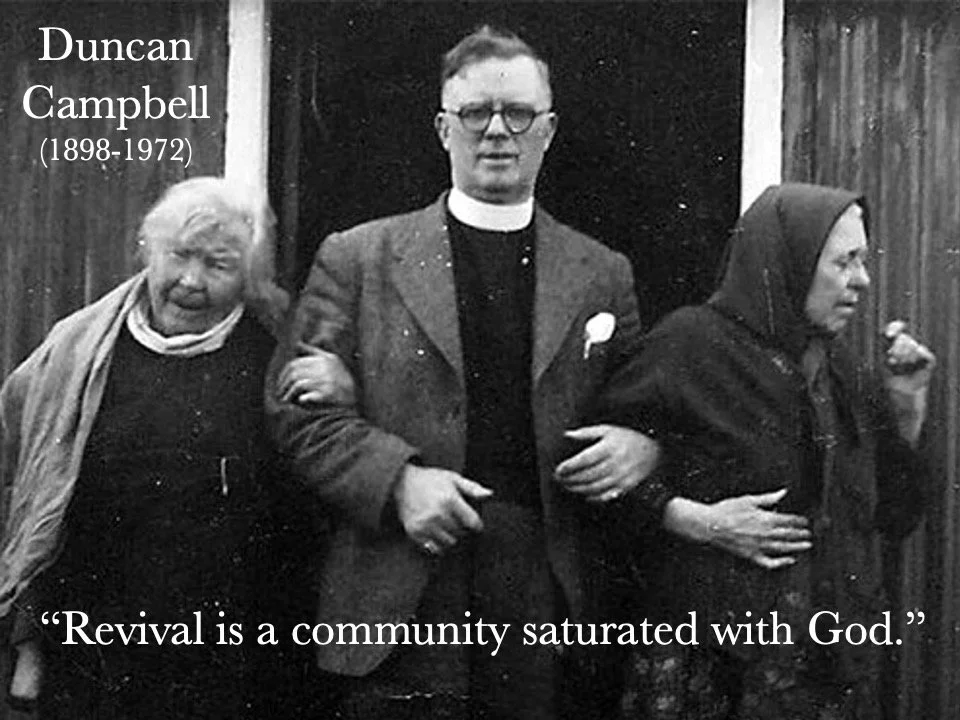
Duncan Campbell of the Hebrides Revival said that “Revival is a community saturated with God.”
In his study on Pentecostalism in The Everlasting Gospel, William Faulpel sees revival as having a seven-stage process: conception, gestation, labor, birth, growth, reproduction, and maturity. He compares it to the life cycle paralleling the birth of a new baby.
Mark Stibbe from the U.K. defines revival as “a season ordained by God in which the Holy Spirit awakens the Church to evangelise the lost, and the lost to their dire need of Jesus Christ.” He distinguishes renewal as confined to the Church while revival as something that reaches beyond the church and into the world. He likens renewal to a stream and revival to that same river becoming a “flood that disturbs boulders and overflows banks.”
Like Stibbe, I would also say there are special seasons, windows of opportunity, or kairos moments, where the Spirit is at work to awaken and revive the Church. At the turn of the twentieth century, revivals were springing up all around the world in this sacred and set apart kairos season of time. Revival broke out in Wales in 1904-05, in India in 1905, and then in Los Angeles in 1906 at Azusa Street amongst other worldwide moves near the same time. The early twentieth century was pregnant with revival. There was something anointed, set apart, and special about that kairos moment that these saints were able to recognize and tap into. The result was revival that is still impacting us over a hundred years later.
Defining Revival
As we seek to define revival here, I would say that revival is when the fire of first love for Jesus is re-ignited in the hearts of believers. As a result, their lives are transformed, and the kingdom of God is expanded all around them in various ways that impact, shape, and reform culture and society.
Revival is for Christians whose fire has waned. If someone has never encountered God’s love for themselves, they can’t necessarily be re-awakened to it. It is only when the fire of first love has been snuffed out that one needs revival. Once that original flame is re-ignited, the awakened ones naturally influence those around them, and many times others are brought to salvation as a result.
Jesus is Revival
All that said, at the heart of revival is Jesus. Jesus is the truest revival we will ever know. Beyond living for revival, we live for the Reviver. When we become awakened spiritually, we fall more in love with Jesus. When we fall more in love with Jesus, transformation takes place within our hearts, and we impact those around us. Revival is truly just more of Jesus.
We are born to live revived lives in the Spirit of God. We are made to be burning ones who don’t burn out. We are born to live loudly for our King of kings and display His glory through our lives. As we become awakened to King Jesus, our destinies begin to unfold in a greater measure. We step out in faith, hand in hand with our best friend Jesus, and can bring hope to a world that desperately needs it. From a place of intimate union with God, as we yield to and follow the Holy Spirit’s leading, we become agents of revival wherever we go. The burning flame inside spreads and ignites others whose flame has dwindled.
Ultimately, revival is becoming fully alive to Jesus again. And it’s important to understand that revival is not the end goal. It is only just the beginning.
*This excerpt is taken from a chapter in my book Sustain the Flame: Secrets to Living Saturated in God’s Presence and Holy Fire.